
Sleep Apnea: What You Need To Know
July 29, 2026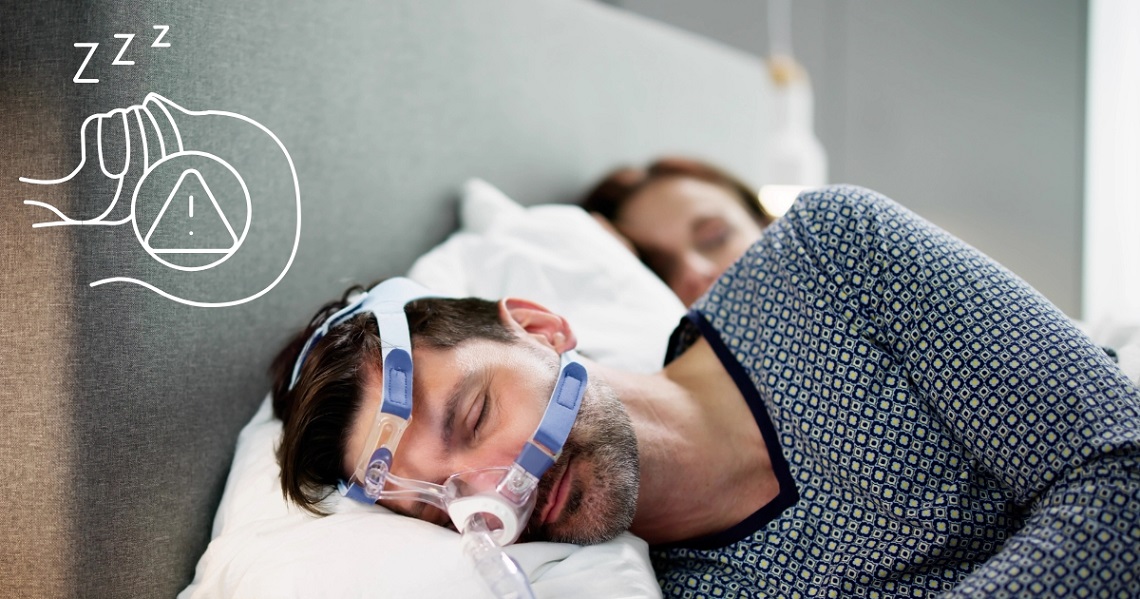
By Joshua Levinger, MD
Otolaryngologist (ENT)
Memorial Ear, Nose & Throat Institute
Do you wake up feeling like you barely slept at all? Do you snore loudly or gasp for air in the middle of the night? You might have a common condition called sleep apnea.
About one in three men and one in six women have this problem. The good news is that it is easy to test for, and we have many ways to help you rest better.
What Is Sleep Apnea?
When you go to sleep, the muscles in your throat relax. For people with sleep apnea, the throat closes for short periods. This stops air from getting to your lungs.
 Your brain must wake you up briefly so you can take a breath. This can happen dozens of times every hour. You might not even remember waking up, but it stops you from getting deep, healthy sleep.
Over time, untreated sleep apnea doesn’t just make you tired. It can also lead to high blood pressure, heart problems, and trouble focusing during the day.
Common Warning Signs to Watch For:
- Loud, daily snoring
- Waking up gasping or choking
- Morning headaches
- Feeling exhausted during the day
How Do We Test for It?
If you think you might have sleep apnea, you don’t always have to spend the night in a hospital lab. In most cases, we can send you home with a simple home sleep monitor.
Today, many of these devices are completely wireless, cordless, and disposable. There are no bulky tubes or tangled wires to worry about. You just stick a small sensor on your finger or wrist, sleep in your own bed, and throw the device away when you are done. It automatically counts how many times your breathing stops each hour to help us see if your sleep apnea is mild, medium, or severe.
How Is It Treated?
As an Ear, Nose, and Throat (ENT) doctor, my job is to look inside your nose and throat to see where the air is getting blocked. Once we find the spot, we build a plan that works best for you.
Lifestyle Changes: Losing weight, sleeping on your side instead of your back, and avoiding alcohol before bed can make a big difference.
CPAP Machine: This is a small machine that blows a gentle stream of air through a mask while you sleep. The air holds your throat open so you can breathe smoothly.
Mouthguards: If a CPAP machine doesn’t work for you, a custom mouthpiece can gently shift your jaw forward to keep your airway open.
Can Surgery Help?
If machines or mouthpieces don’t work, we can look at simple procedures to clear your airway:
1. Fixing Your Nose: Straightening the inside of your nose makes it much easier to breathe through your nose at night.
2. Clearing Extra Tissue: Removing extra tissue from the back of your throat creates more room for air.
3. Nerve Stimulators: We can place a small device that gently prompts your tongue muscle to stay forward while you sleep so it doesn’t block your throat.
Take the First Step
You don’t have to live with constant fatigue. Getting your sleep apnea treated can give you back your energy and protect your health.
If you or a family member notices loud snoring or daytime tiredness, schedule a consultation today. We will help you find the right fix so you can wake up feeling refreshed!
Dr. Levinger specializes in comprehensive general otolaryngology for all ages. His clinical interests include the management of sleep apnea, and the treatment of nasal and sinus disease with image-guided surgery, in addition to other ear, nose, and throat disorders. Memorial Ear, Nose & Throat Institute can be reached at 575.556.1860.