Stop the overdose before the first pill is ever taken
June 01, 2026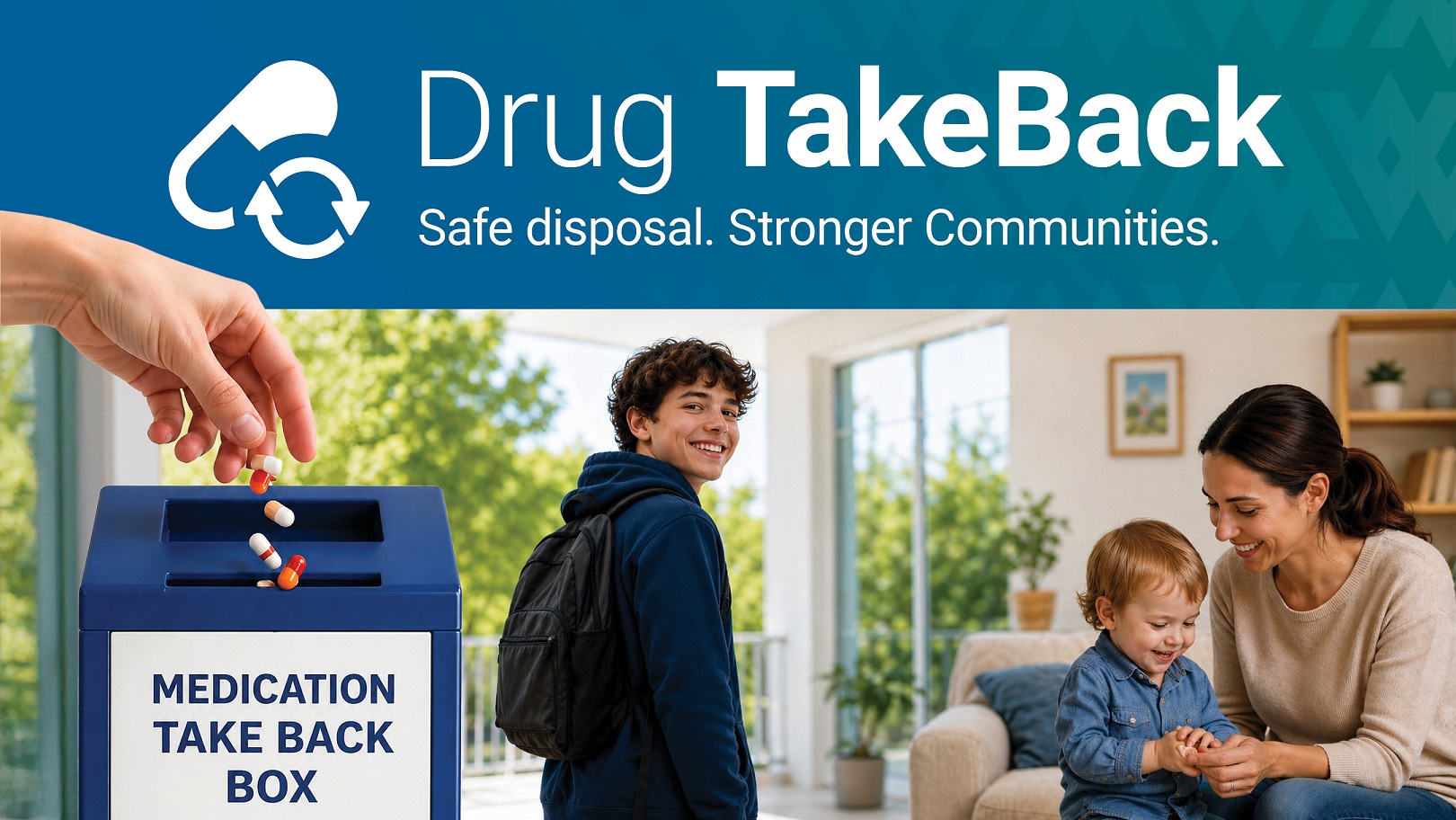
By Alfred L’Altrelli, PharmD, MBA, CFMC
Chief Pharmacy Officer
Memorial Medical Center
Unused and expired medications in the home remain one of the most common (and preventable) sources of diversion, misuse, and accidental ingestion, particularly among adolescents and young children. Consider:
• Approximately 50-60 percent of individuals who misuse prescription pain relievers obtain them from friends or family, most often from home medicine cabinets.
• Many individuals who develop opioid misuse report initial exposure through legitimate prescriptions or shared medications within the household.
• More than 60,000 children in the United States are treated in emergency departments each year for accidental medication ingestion, frequently involving medications that are left within their reach.
From a pharmacy and patient safety perspective, reducing access at the household level is one of the most effective interventions we have.
• Approximately half of patients retain leftover medications, while fewer than 25 percent use recommended disposal methods, leaving a persistent reservoir of risk in the home.
• Safe removal of unused medications is one of the only primary prevention strategies that directly eliminates this exposure pathway.
• Reducing excess medications in the home targets the primary source of nonmedical use and limits availability of controlled substances within the community.
Memorial Medical Center’s Medication Take Back Box located in our Emergency Room lobby provides a secure, anonymous, and dependable mechanism for safe disposal. Each medication returned represents a measurable reduction in risk, preventing potential misuse, limiting community availability of controlled substances, and decreasing the likelihood of adverse drug events.
• National Take Back initiatives have removed over 17 million pounds of medications from circulation.
• Communities with strong disposal infrastructure and public awareness efforts demonstrate lower correlated rates of nonmedical prescription drug use.
This program is not simply a convenience; it is a targeted safety intervention aligned with our commitment to reduce harm, support responsible medication use, and strengthen community health outcomes. It represents a deliberate commitment from Memorial Medical Center to proactively address medication-related risk at its source; before exposure, misuse, or harm can occur. The Medication Take Back initiative is a core component of our broader, integrated community safety strategy, designed to reduce preventable adverse events and improve population health.
This effort is not standalone. It is part of a comprehensive, Memorial system-based approach that includes:
• Expanded access to life-saving interventions, such as naloxone (Narcan) distribution through community-accessible vending programs
• Evidence-based treatment pathways to support patients with opioid use disorder
• Embedded clinical pharmacy services in the Emergency Department, providing real-time medication expertise, harm reduction strategies, and transition-of-care support
• Robust pharmacotherapy stewardship programs, ensuring safe, appropriate, and accountable medication use across the continuum of care
Together, these initiatives reflect a coordinated, data-driven commitment to reducing preventable harm, limiting medication-related risk, and advancing the health and safety of the communities we serve.