
Calcium scoring: What a 15-minute test can tell you about your heart health
February 02, 2026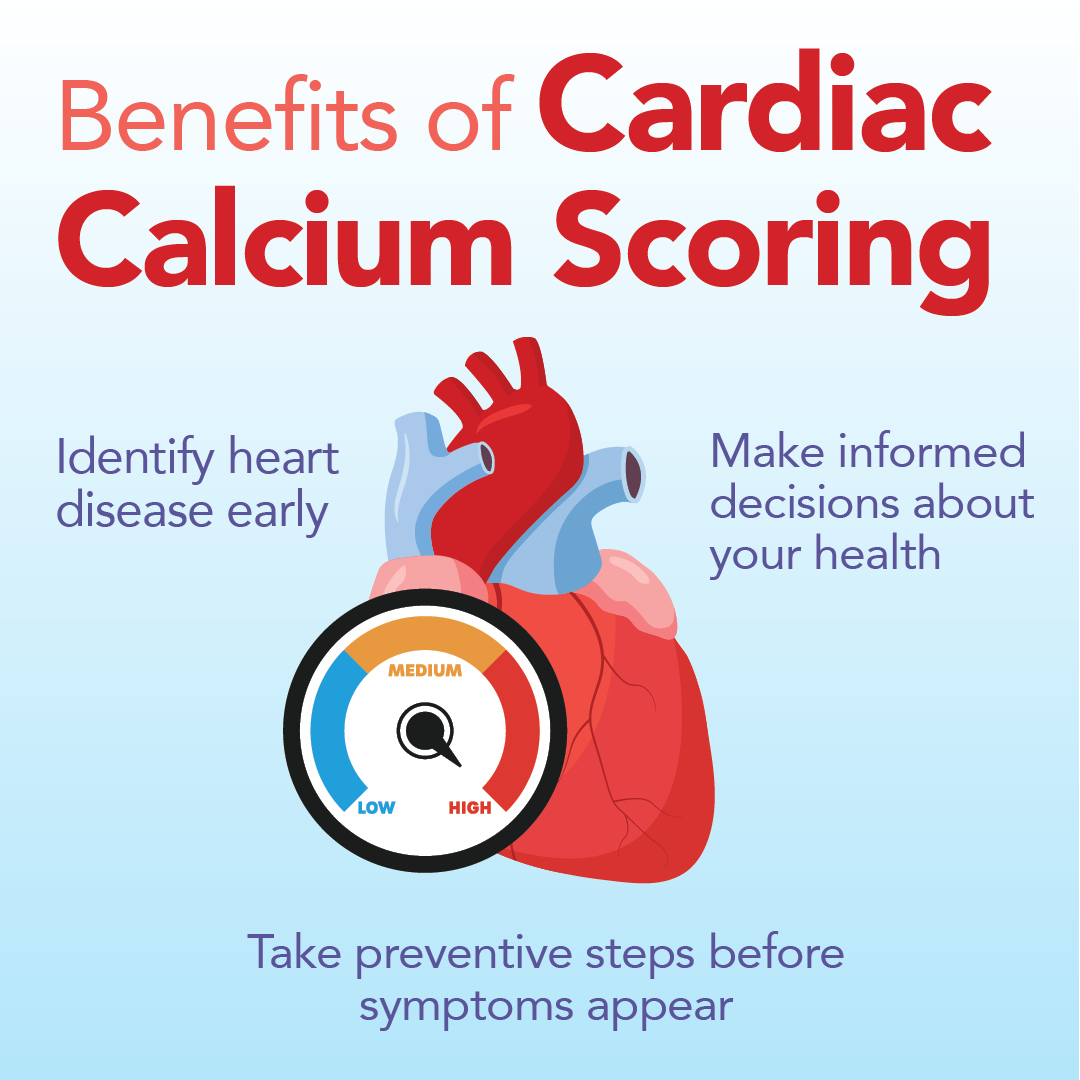
By Roi Altit, MD, FSCAI, FACC
Structural Heart Disease Program Director
Interventional Cardiologist
Memorial Medical Center
February is American Heart Month – a time to celebrate all our hearts do for us, and to recognize what we can do to keep our hearts healthy. It’s also a month for us to remember that heart disease is the leading cause of death worldwide for both men and women.
As many of us know, numbers can tell us plenty about our heart health and where it’s headed – from blood pressure to cholesterol to blood sugar. For some people, one key painless and non-invasive test is a cardiac calcium scoring CT – the only screening test we have for asymptomatic individuals. Using cross-sectional scans to create three-dimensional views of the heart, this exam measures calcium blockages in our heart vessels and determines the risk of developing heart disease as we age. A high number suggests that dangerous plaque buildup is blocking sufficient blood flow.
The calcium by itself does not cause a cardiac event, but calcium deposits signal that plaque (fatty build-up comprised partially of cholesterol and calcium) is present in the walls of the artery. This screening test does not look for individual areas of blockage in the heart; it is an overall assessment of global risk for heart disease and is the only screening test that looks directly at the heart’s arteries.
Having a high coronary calcium score helps us predict overall cardiovascular events, including the likelihood of stroke in addition to heart attacks (and possibly death). If calcium is present, remember to keep in mind that heart disease can often be prevented or slowed down with early detection and proper treatment.
At Memorial Medical Center’s main campus, we now offer this imaging exam with a cutting-edge 512-slice GE Revolution Apex CT. The machine at MMC represents a $2.7 million investment and is one of the fastest and most powerful units in the industry. Importantly, it allows caregivers to obtain quicker and more accurate diagnostic imaging and improve outcomes for our patients.
Who should ask their primary care provider or cardiologist about getting a calcium score? Candidates who have two or more underlying risk indicators – like diabetes or high blood pressure – and experience symptoms including chest pain and shortness of breath. But even asymptomatic patients should get screened if there’s a family history of diabetes or high blood pressure.
Appropriate candidates may include asymptomatic individuals with any of the following:
- High cholesterol
- High triglycerides
- Low HDL
- High blood pressure
- Diabetes
- Overweight
- Inactive lifestyle
- Women over 55 years of age
- Men over 45 years of age
Looking for heart care? As a leader in advanced cardiology care for Las Cruces and Southern New Mexico, Memorial Medical Center’s heart program offers a full continuum of care backed by highly trained specialists. We provide quality heart care, close to home, when you need it most. Learn more and schedule an appointment online.